Colorectal Cancer Awareness Month
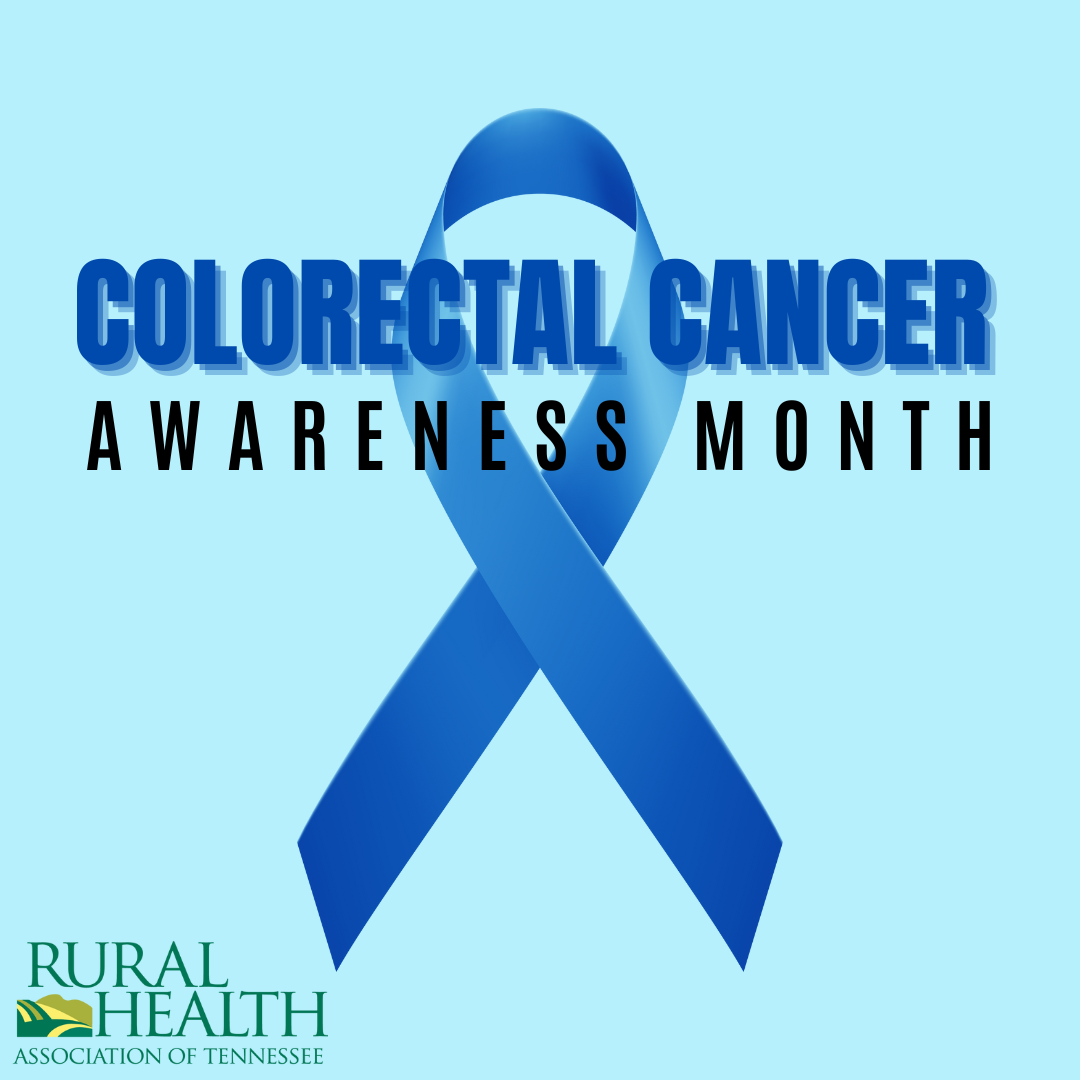 Colorectal Cancer Awareness Month, observed annually in March, serves as a crucial reminder of the importance of understanding and preventing colorectal cancer, which is one of the most common cancers worldwide. This month-long campaign aims to raise awareness about colorectal cancer risk factors, symptoms, screening options, and preventive measures. Through education and advocacy efforts, individuals are encouraged to take proactive steps to reduce their risk of developing colorectal cancer and to promote early detection through regular screenings.
Preventive measures play a pivotal role in reducing the incidence and mortality rates associated with colorectal cancer. One of the most effective preventive measures is maintaining a healthy lifestyle, which includes eating a balanced diet rich in fruits, vegetables, and whole grains while limiting the consumption of red and processed meats. Regular physical activity also plays a significant role in reducing the risk of colorectal cancer, as it helps maintain a healthy weight and improves overall health.
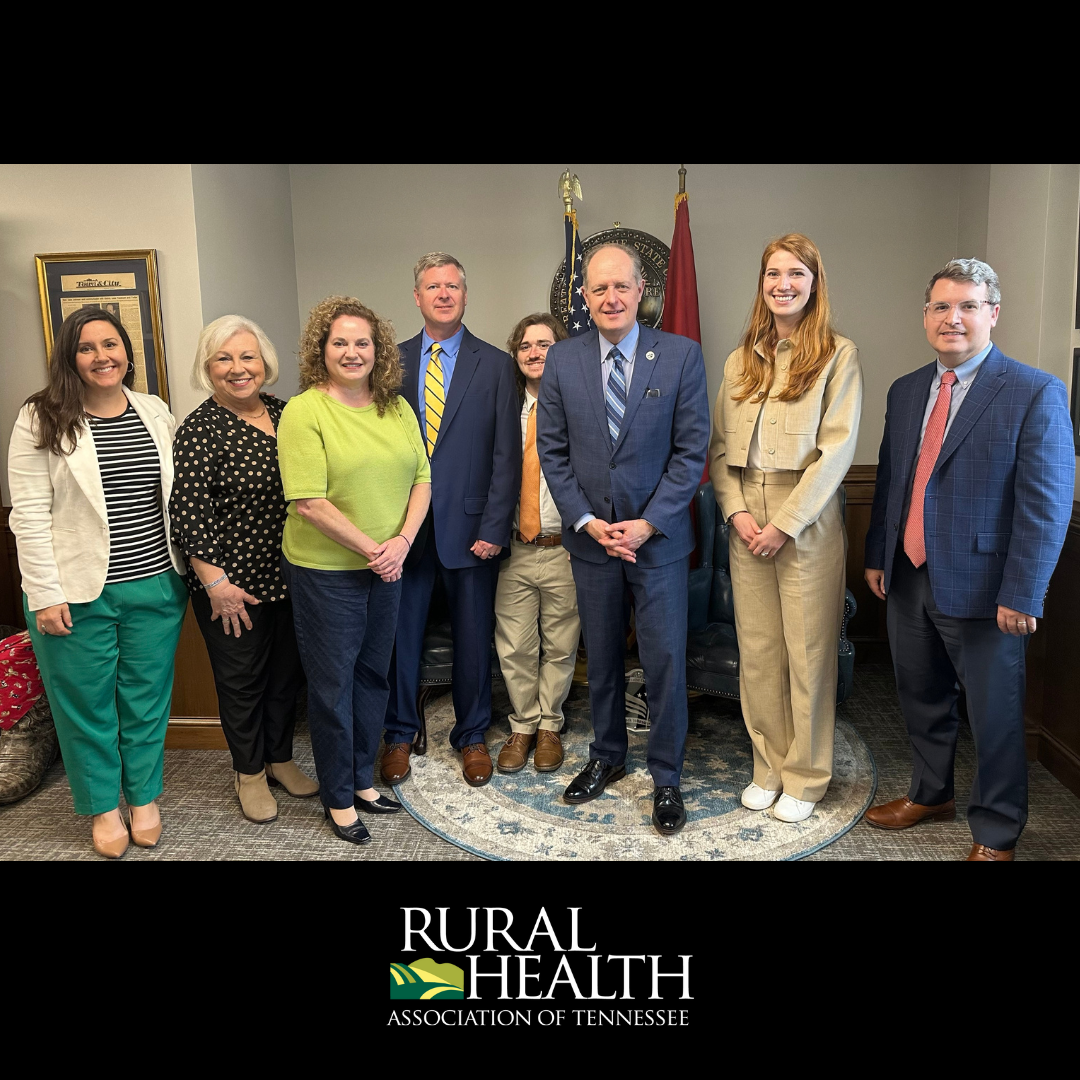 RHA members and staff traveled to Nashville for the Rural Health Association's Day on the Hill March 5th,
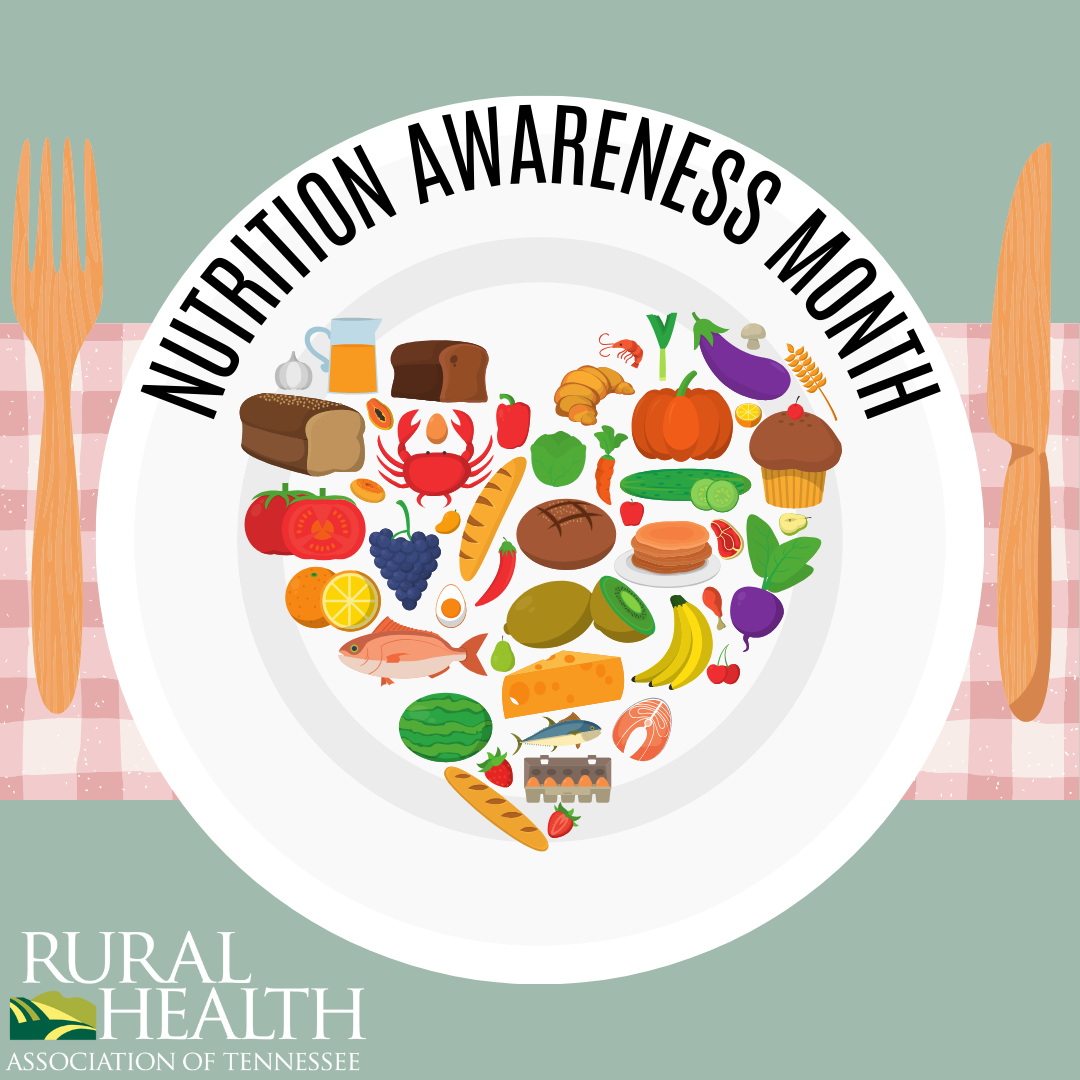 In the United States, food security remains a pressing issue, with millions of individuals and families facing challenges in accessing affordable and nutritious food. Rural areas, in particular, often bear the brunt of food insecurity due to limited access to grocery stores, fewer transportation options, and lower incomes compared to urban counterparts. These challenges are exacerbated by factors such as geographic isolation, limited employment opportunities, and reliance on agriculture, which can be susceptible to fluctuations in crop yields and market prices.
 Join us February 28th, 2024 at 12:00 PM CST, for our monthly Rural Health Clinic lunch and learn webinar. This month's guest will be Kia Weaver, Outreach Specialist, with Kepro.
 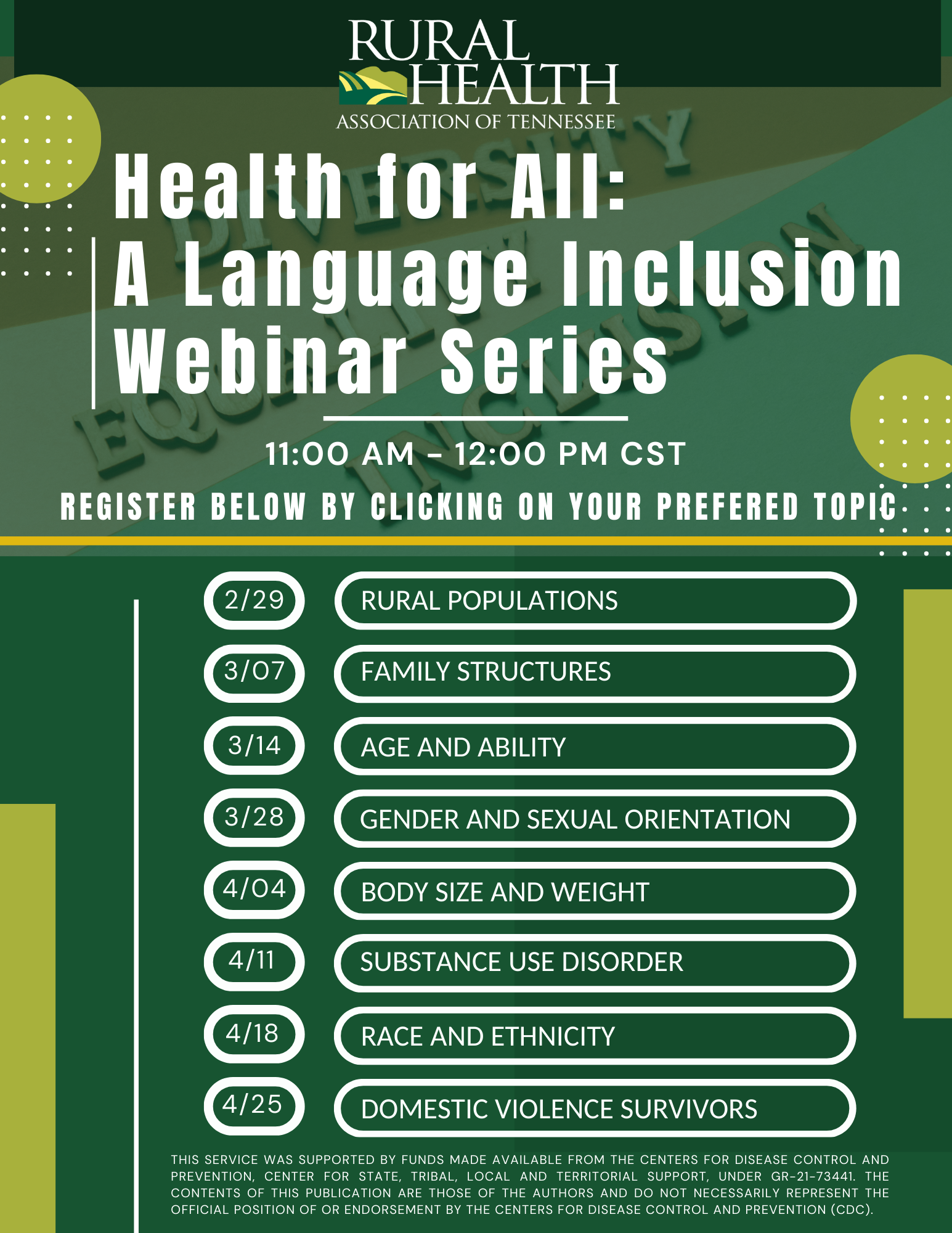 Join us for an eight-week webinar series, "Health for All: A Language Inclusion Webinar Series," to discuss varying populations within our rural communities that experience a larger gap in health disparities. This webinar series will be held weekly beginning on February 29th at 11am CST and go through April 25th.
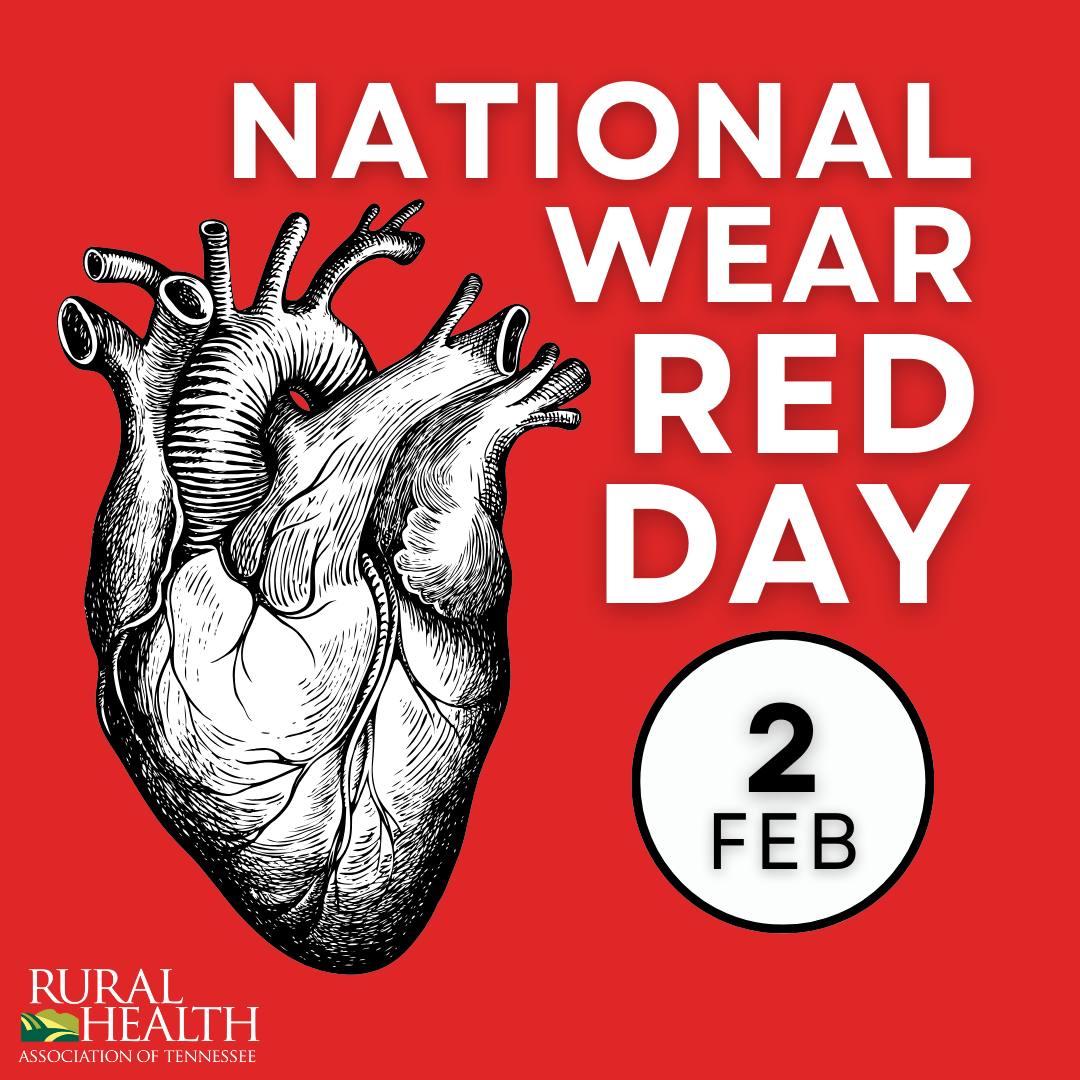 February is recognized as American Heart Month, a dedicated period to raise awareness about heart health and encourage individuals to adopt heart-healthy lifestyles. Cardiovascular diseases remain a leading cause of death globally, and American Heart Month serves as an important opportunity to educate the public about the risk factors associated with heart disease and the preventive measures that can be taken. During this month, various organizations, healthcare professionals, and communities come together to promote heart health through events, campaigns, and educational initiatives.
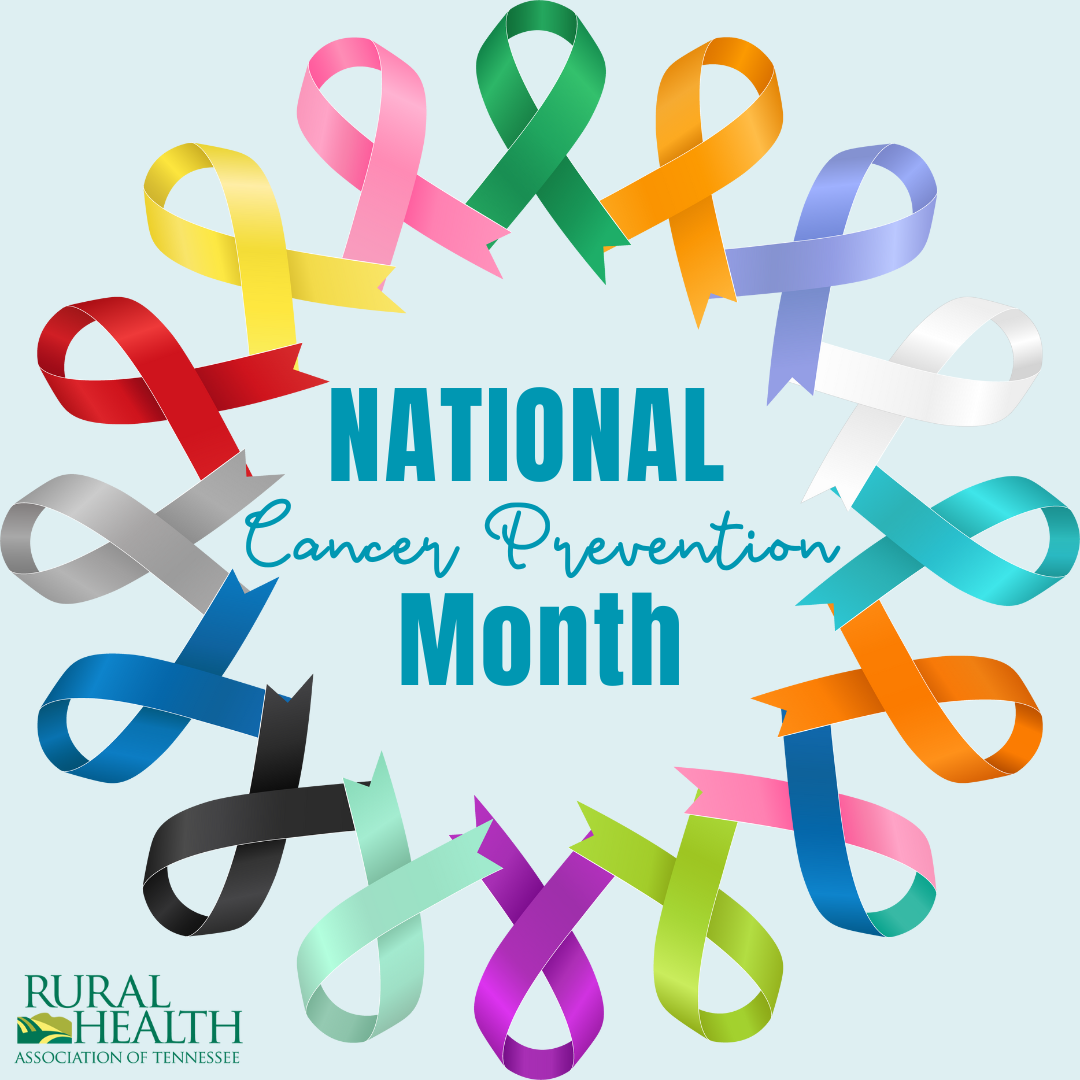 National Cancer Prevention Month, observed every February, is a crucial awareness initiative that underscores the significance of proactive measures in reducing the risk of cancer. This month serves as a platform to educate individuals about lifestyle choices, early detection, and regular screenings that can contribute to preventing various types of cancer. By promoting healthy behaviors such as maintaining a balanced diet, engaging in regular physical activity, avoiding tobacco and excessive alcohol consumption, individuals can significantly lower their risk of developing cancer.
 Maternal health is a critical aspect of overall well-being, and its significance is particularly pronounced in rural communities. In these areas, access to quality healthcare resources is often limited, posing unique challenges for pregnant women and new mothers. The lack of easily accessible healthcare facilities, skilled professionals, and educational programs can lead to delayed or inadequate prenatal care, increasing the risk of complications during pregnancy and childbirth. Addressing maternal health in rural communities is essential for ensuring the health and survival of both mothers and their newborns.
 Navigating the winter months with mental health disorders can be particularly challenging due to factors such as reduced sunlight, colder temperatures, and the holiday season. Seasonal Affective Disorder (SAD), a form of depression associated with changes in seasons, often intensifies during winter. To mitigate its effects, individuals can explore light therapy, spending time outdoors during daylight hours, and incorporating light-enhancing activities into their daily routines. Additionally, maintaining a consistent sleep schedule is crucial for stabilizing mood and energy levels, as disruptions to sleep patterns can exacerbate symptoms of various mental health disorders.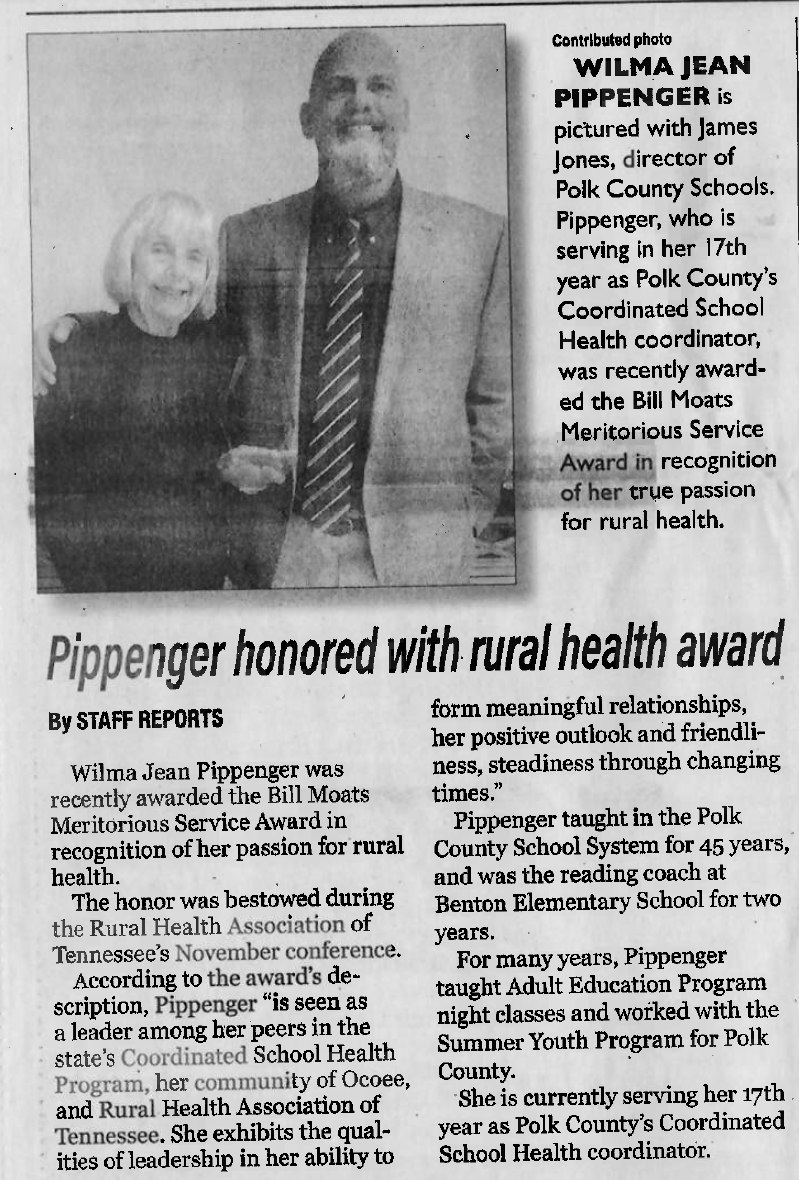
 Maternity care deserts pose a significant challenge to rural Tennesseans, where access to comprehensive maternal healthcare services is often limited. In these areas, the shortage of obstetricians, gynecologists, and maternity care facilities creates what are essentially maternity care deserts. Pregnant individuals in rural Tennessee face increased difficulties in finding accessible and timely prenatal care, essential for monitoring the health of both mother and baby throughout pregnancy. The absence of nearby obstetric care providers in these deserts contributes to delayed or inadequate medical attention, leading to potential complications during pregnancy and childbirth.
 Vaccine hesitancy in rural areas often stems from a combination of factors, including distrust in healthcare systems, concerns about vaccine safety, and the influence of tight-knit community networks. National Flu Vaccine Awareness Week provides an opportunity to engage local leaders, community influencers, and healthcare providers in initiating conversations about the importance of vaccination. By fostering open and transparent communication, public health campaigns can work towards dispelling myths and addressing specific concerns that contribute to hesitancy, ultimately building trust and encouraging higher vaccine uptake.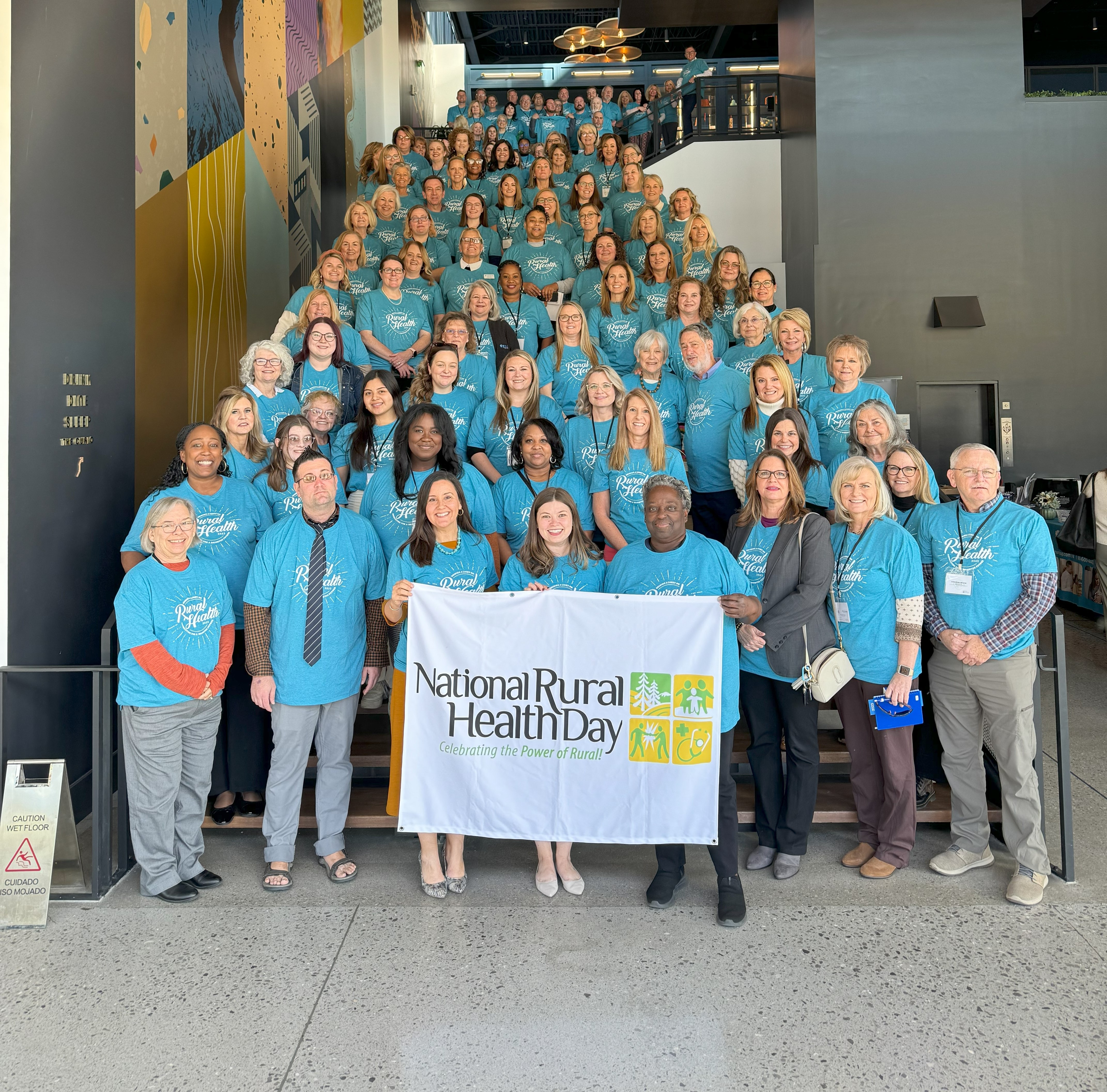
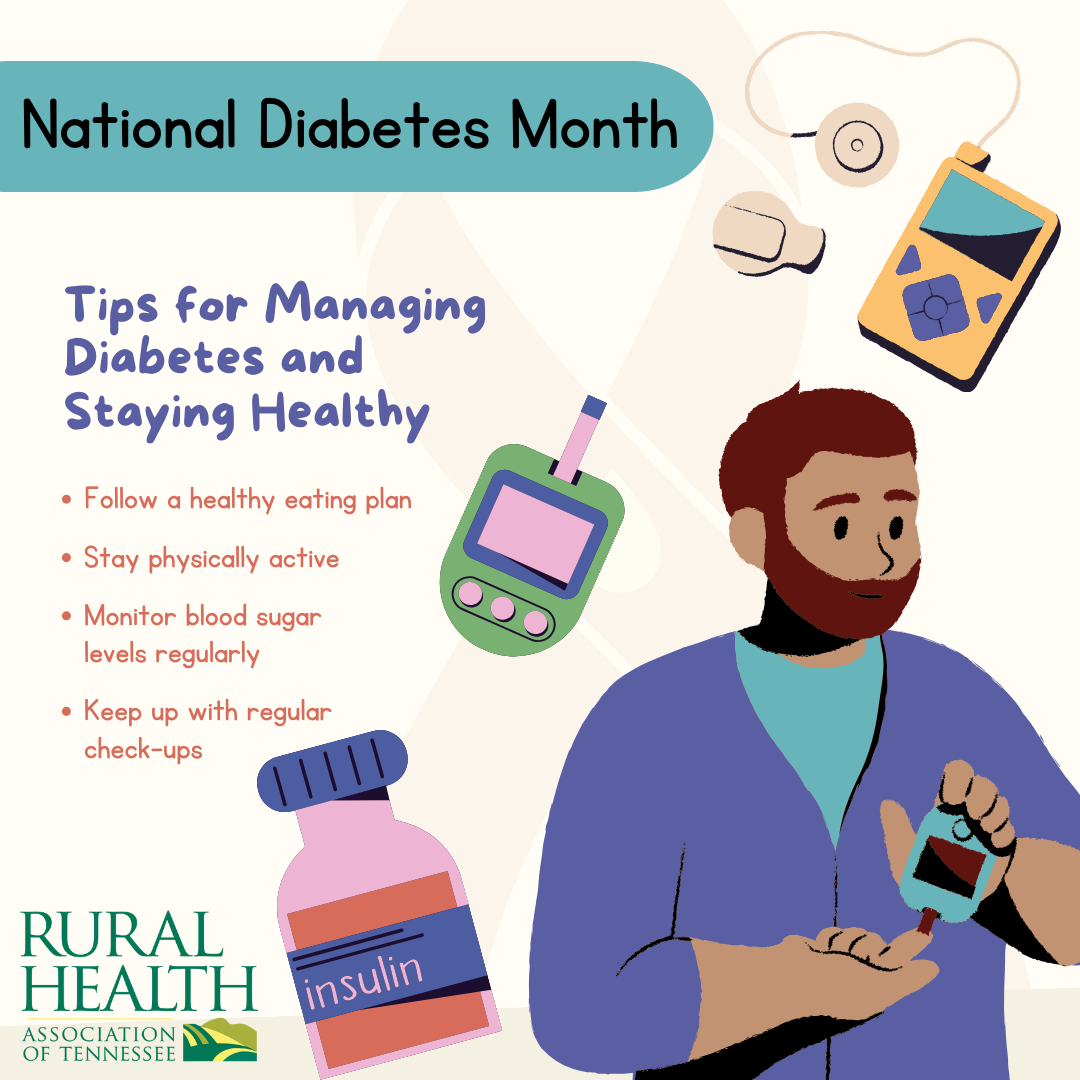 Diabetes presents a growing health challenge in rural areas, shedding light on the importance of increased awareness and targeted interventions. In many rural communities, limited access to healthcare facilities, lower socioeconomic status, and a lack of public awareness compound the difficulties of managing diabetes. Routine health check-ups are often scarce, making early detection and monitoring of diabetes less likely. Risk factors such as poor dietary choices and limited opportunities for physical activity in rural areas can contribute to the higher incidence of diabetes. It is crucial to raise awareness about diabetes in these regions to help individuals understand the disease, its risk factors, and the resources available for prevention and management.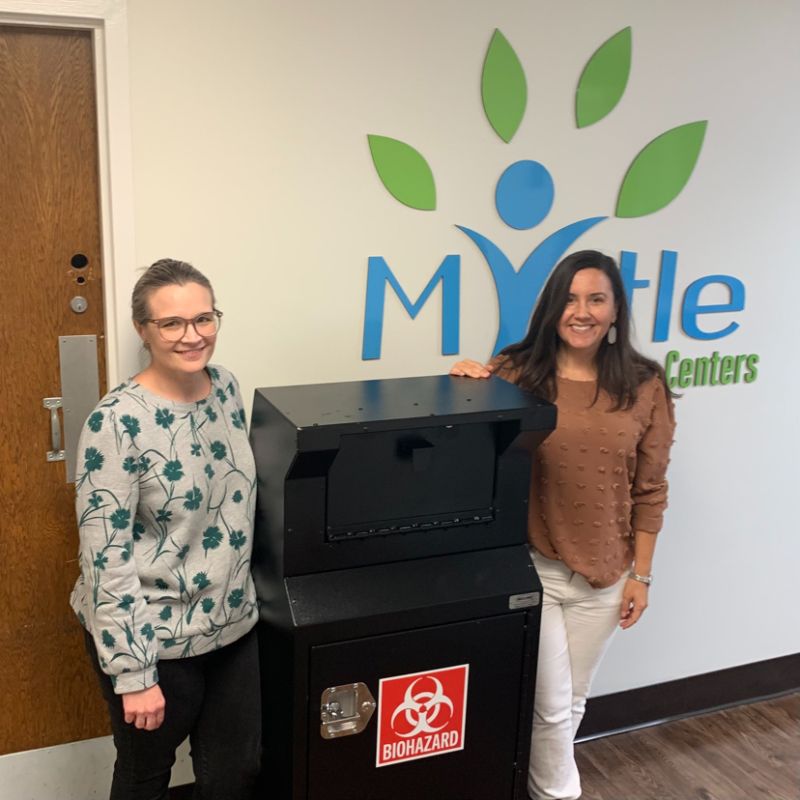
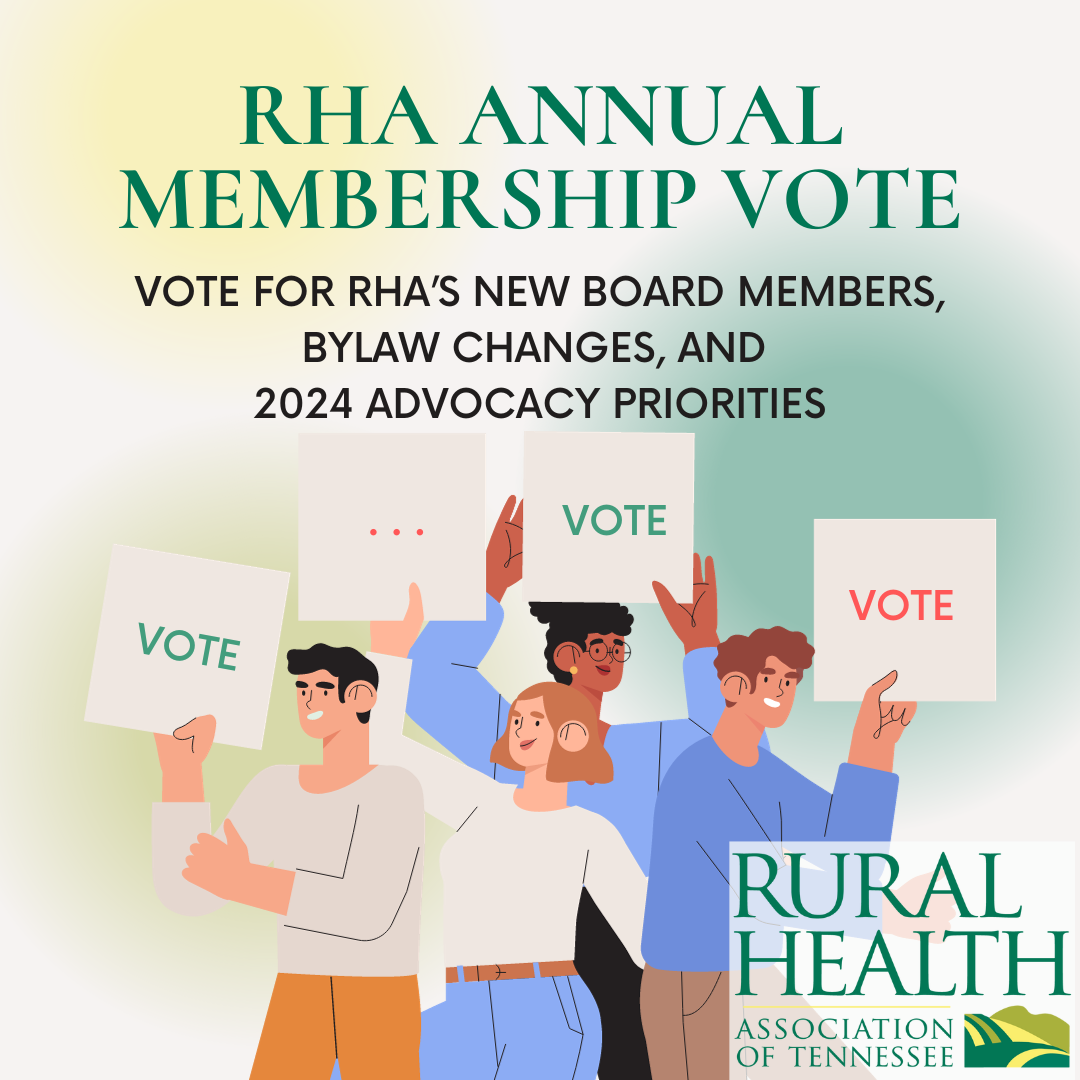 The 2023 Membership Voting is open
  October 28th is recognized as National Drug Take Back Day.