American Heart Month: Wear Red Day
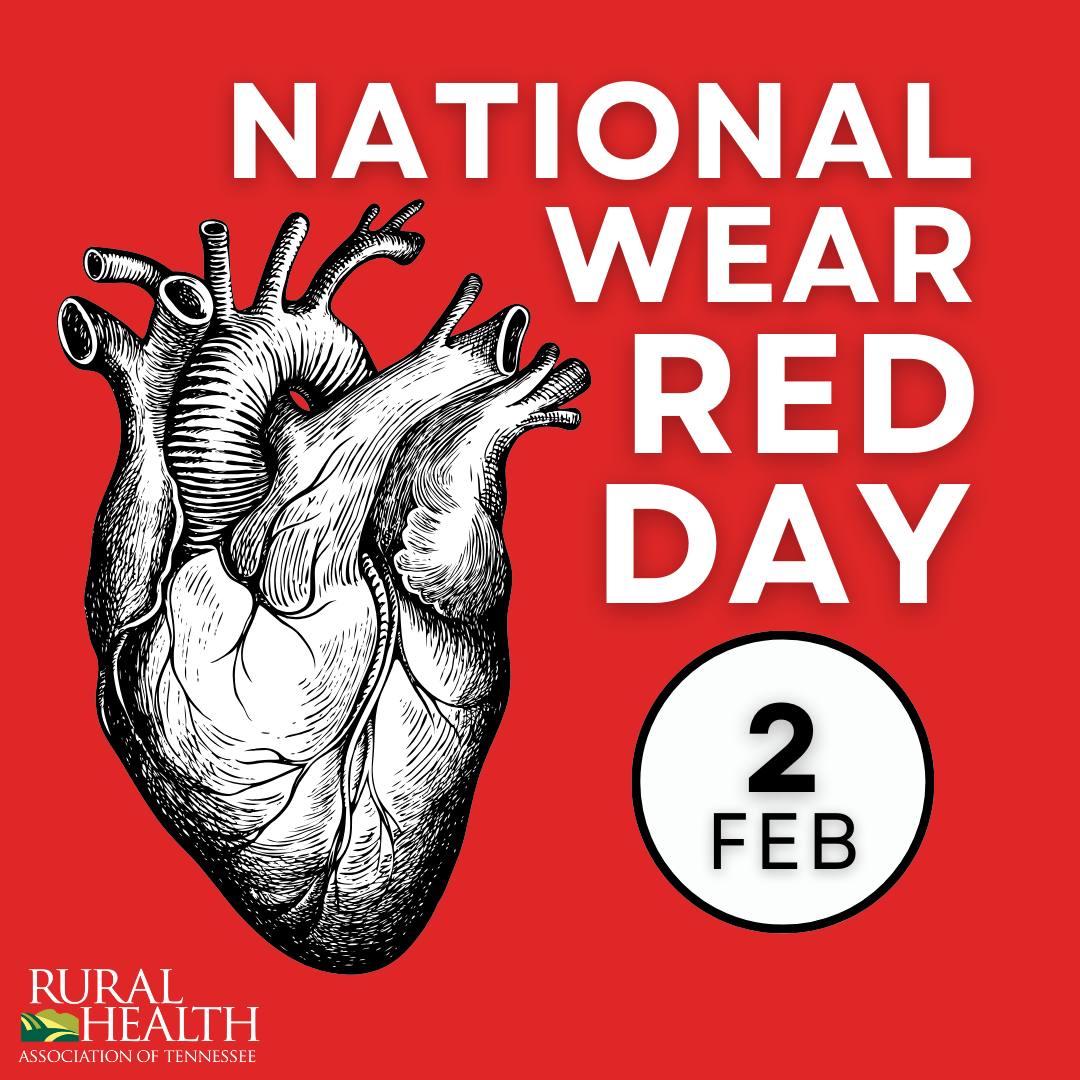 February is recognized as American Heart Month, a dedicated period to raise awareness about heart health and encourage individuals to adopt heart-healthy lifestyles. Cardiovascular diseases remain a leading cause of death globally, and American Heart Month serves as an important opportunity to educate the public about the risk factors associated with heart disease and the preventive measures that can be taken. During this month, various organizations, healthcare professionals, and communities come together to promote heart health through events, campaigns, and educational initiatives.
One notable event within American Heart Month is "Wear Red Day," celebrated on the first Friday of February. This day is specifically aimed at raising awareness about heart disease in women. Heart disease is often mistakenly considered a predominantly male issue, but it affects women at alarming rates. Wear Red Day encourages people to wear red clothing to show their support for heart health and to spark conversations about the importance of preventing heart disease in both men and women. The American Heart Association (AHA) is a key supporter of Wear Red Day, providing resources and information to help individuals understand the risks and take steps towards a heart-healthy lifestyle.
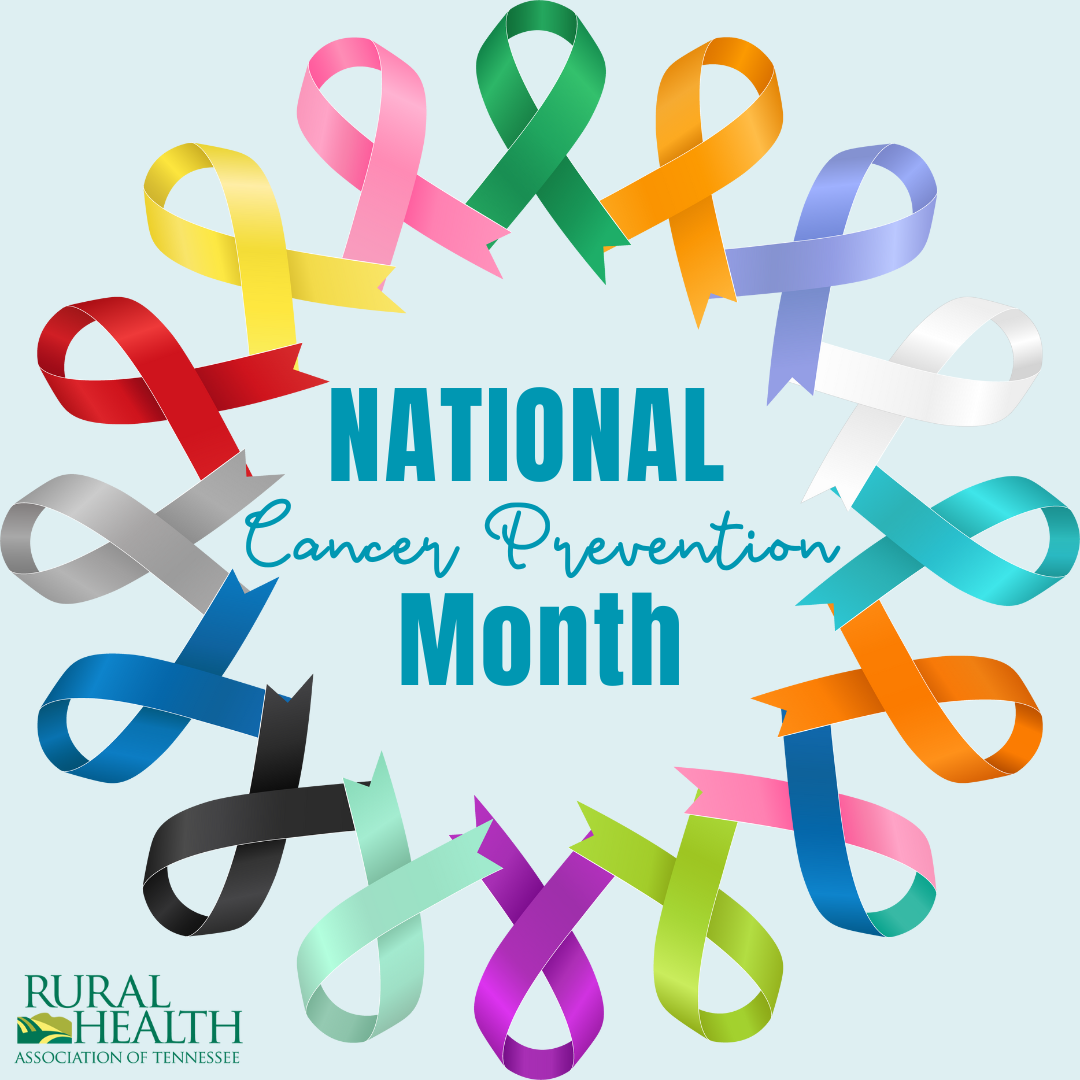 National Cancer Prevention Month, observed every February, is a crucial awareness initiative that underscores the significance of proactive measures in reducing the risk of cancer. This month serves as a platform to educate individuals about lifestyle choices, early detection, and regular screenings that can contribute to preventing various types of cancer. By promoting healthy behaviors such as maintaining a balanced diet, engaging in regular physical activity, avoiding tobacco and excessive alcohol consumption, individuals can significantly lower their risk of developing cancer.
 Maternal health is a critical aspect of overall well-being, and its significance is particularly pronounced in rural communities. In these areas, access to quality healthcare resources is often limited, posing unique challenges for pregnant women and new mothers. The lack of easily accessible healthcare facilities, skilled professionals, and educational programs can lead to delayed or inadequate prenatal care, increasing the risk of complications during pregnancy and childbirth. Addressing maternal health in rural communities is essential for ensuring the health and survival of both mothers and their newborns.
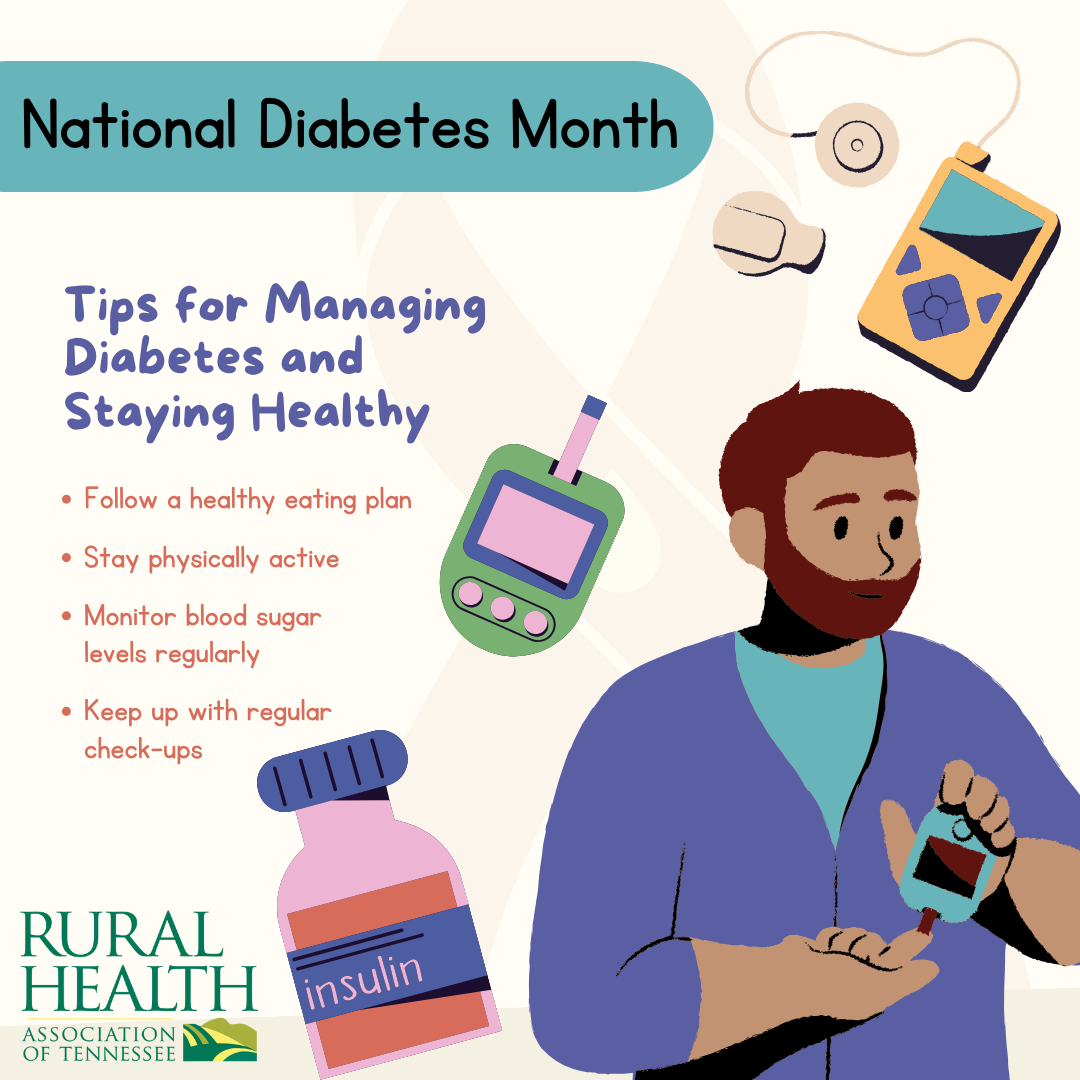 Diabetes presents a growing health challenge in rural areas, shedding light on the importance of increased awareness and targeted interventions. In many rural communities, limited access to healthcare facilities, lower socioeconomic status, and a lack of public awareness compound the difficulties of managing diabetes. Routine health check-ups are often scarce, making early detection and monitoring of diabetes less likely. Risk factors such as poor dietary choices and limited opportunities for physical activity in rural areas can contribute to the higher incidence of diabetes. It is crucial to raise awareness about diabetes in these regions to help individuals understand the disease, its risk factors, and the resources available for prevention and management.
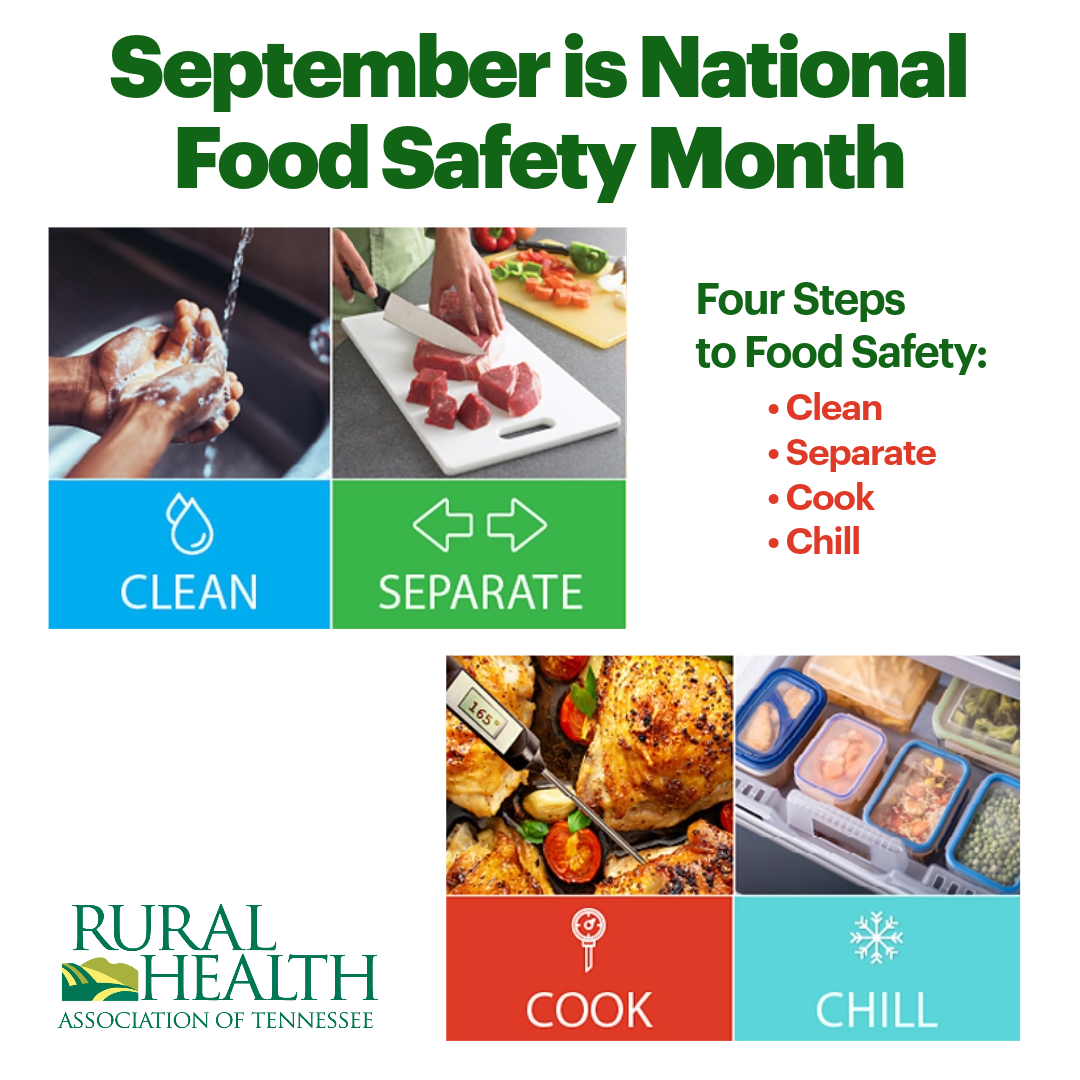 According to the Centers for Disease Control and Prevention, every year, an estimated 1 in 6 people in the United States (or 48 million people) get sick, 128,000 are hospitalized, and 3,000 die from eating contaminated food.
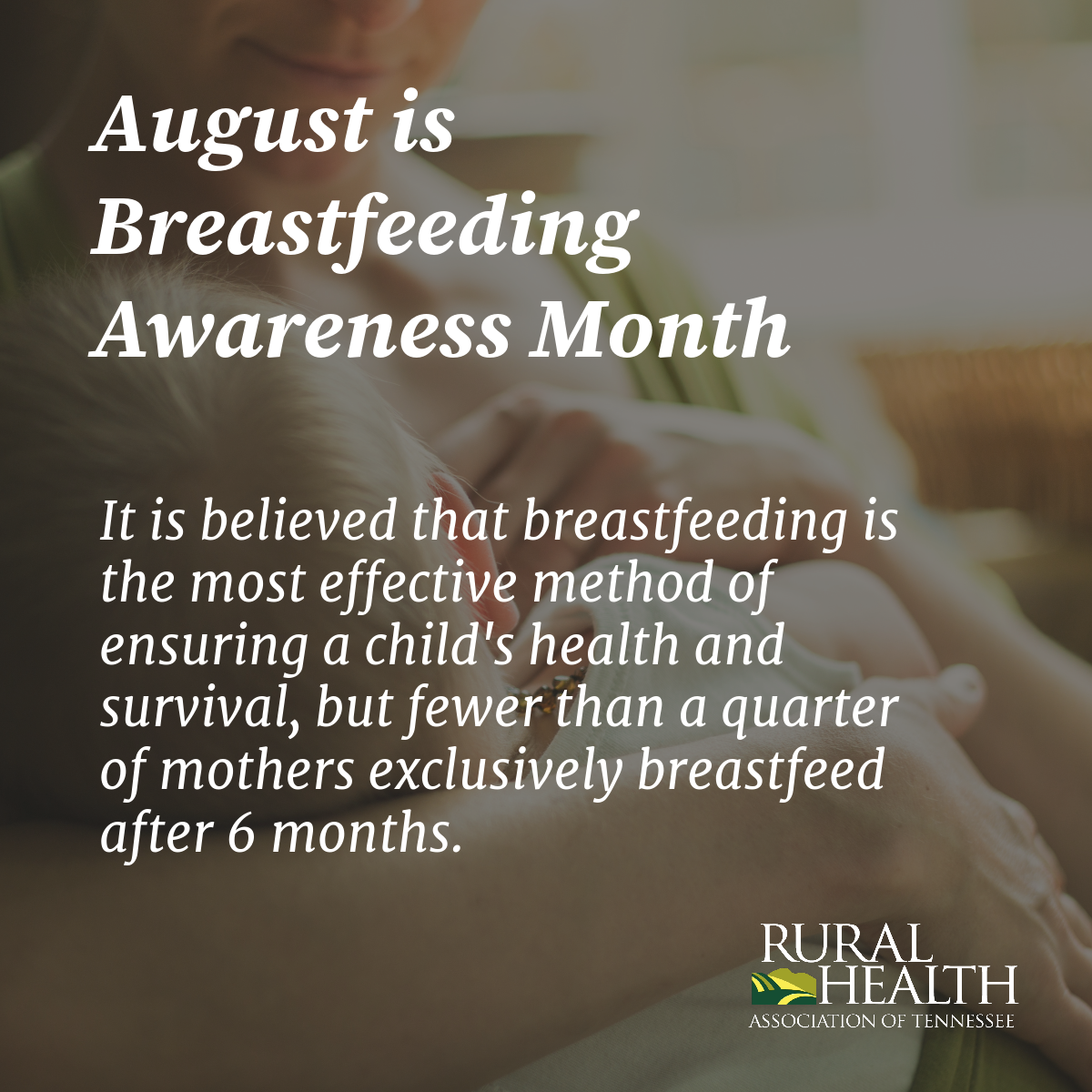
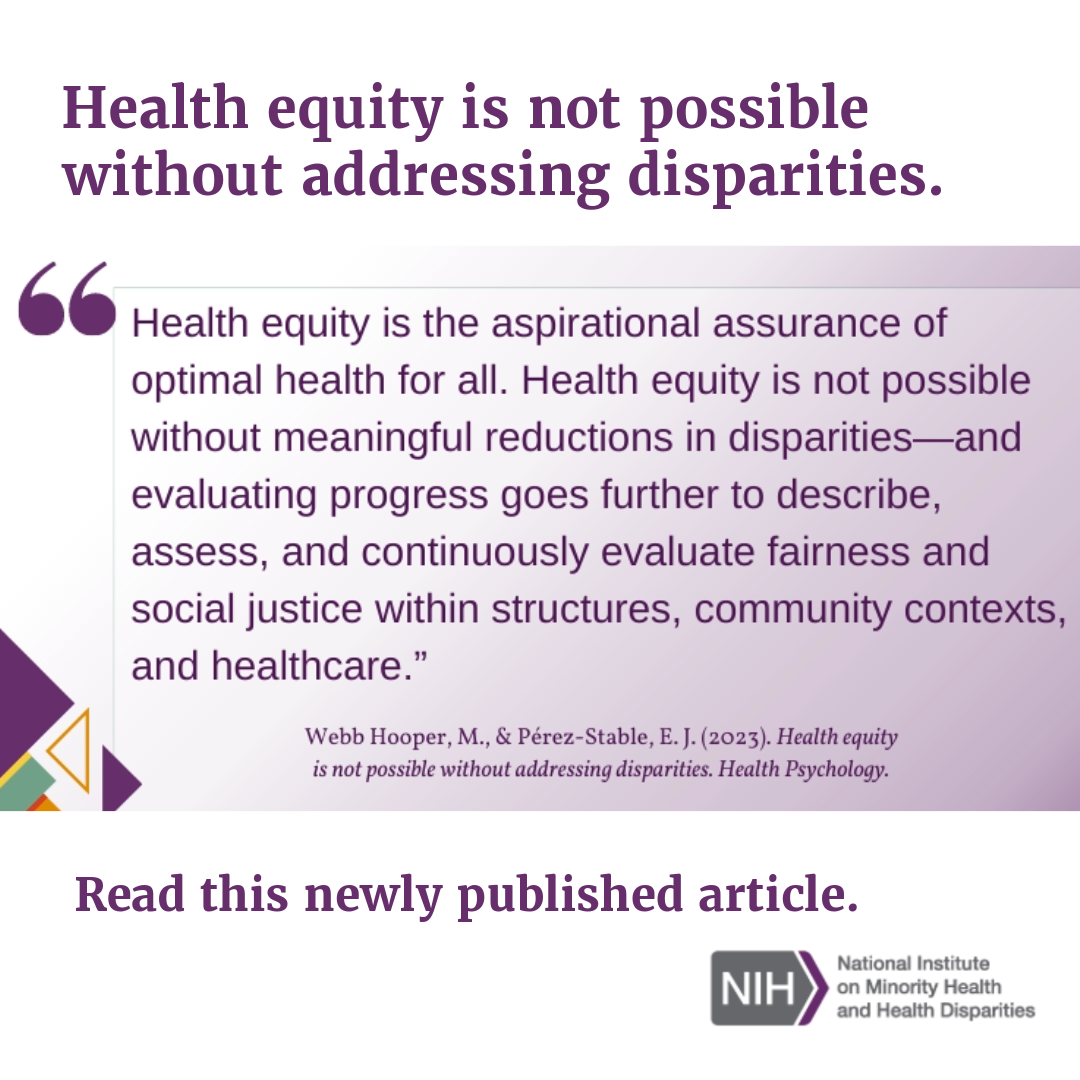 In order to achieve health equity, access barriers need to be removed and high quality, need-based resources allocated. Health equity promotion is the aspirational guarantee of optimal health for all.
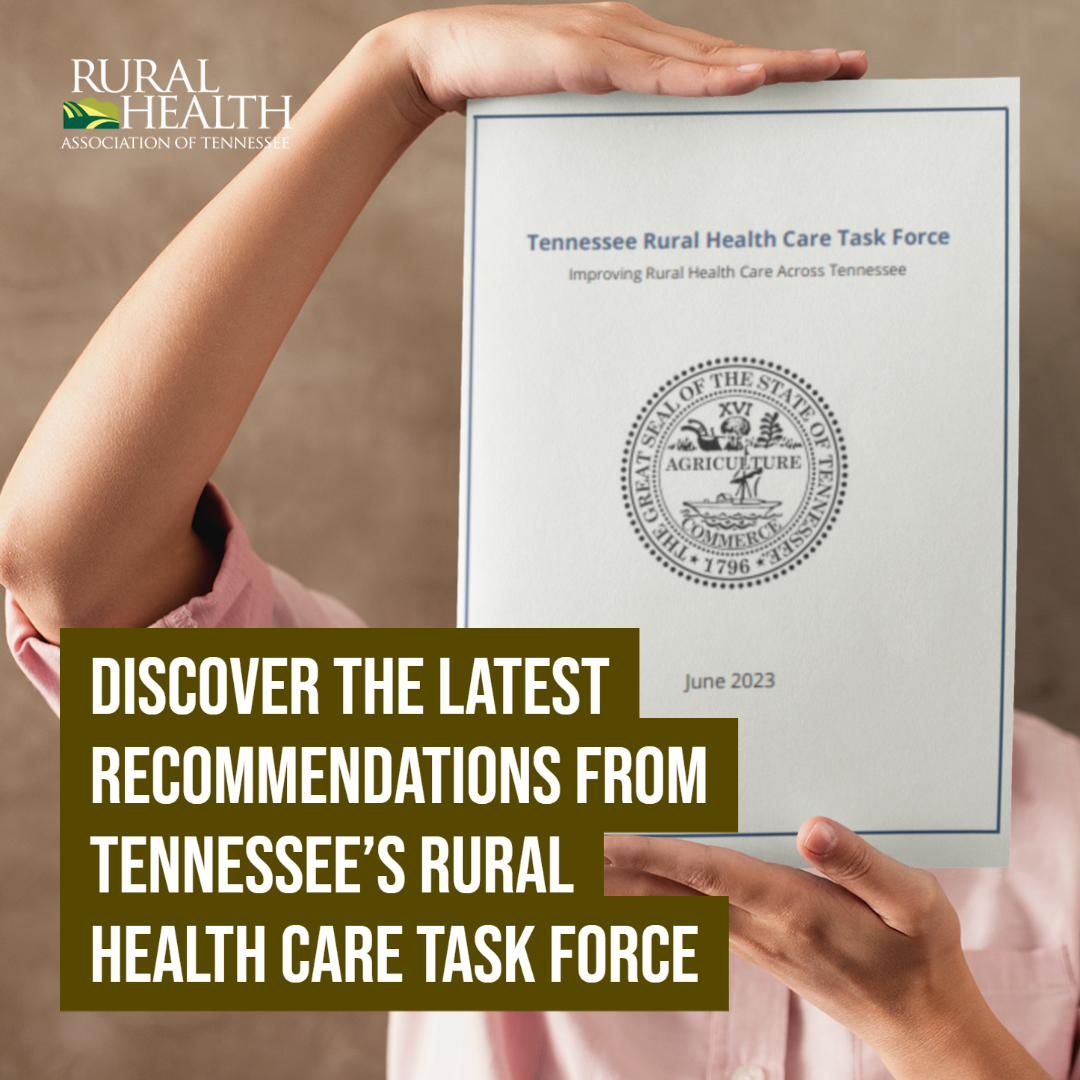 Tennessee's Rural Health Care Task Force, formed in June 2022 by Governor Bill Lee, has released a number of recommendations aimed at improving access to care and health outcomes for rural Tennesseans. In the report are recommendations to increase access to care, train healthcare professionals, and address social drivers of health.
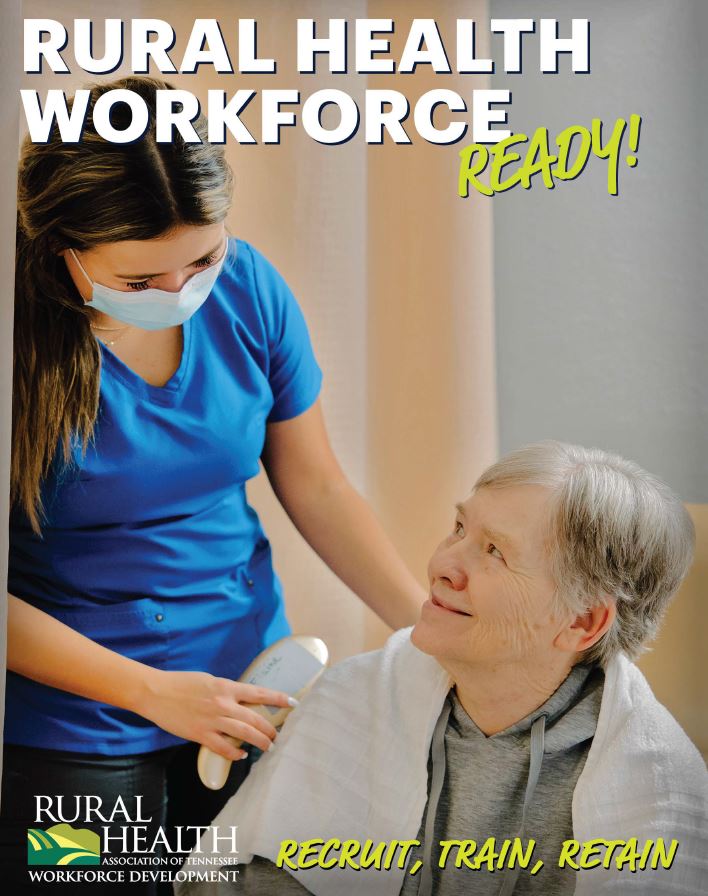 from their pilot workforce development program aimed at addressing the state’s workforce shortages.
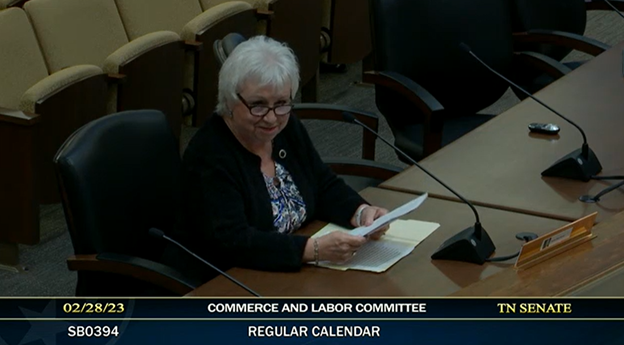 the Tennessee Senate’s Commerce and Labor Committee in support of Senate Bill 394/HB 738 that would establish a recognized Doula certification.
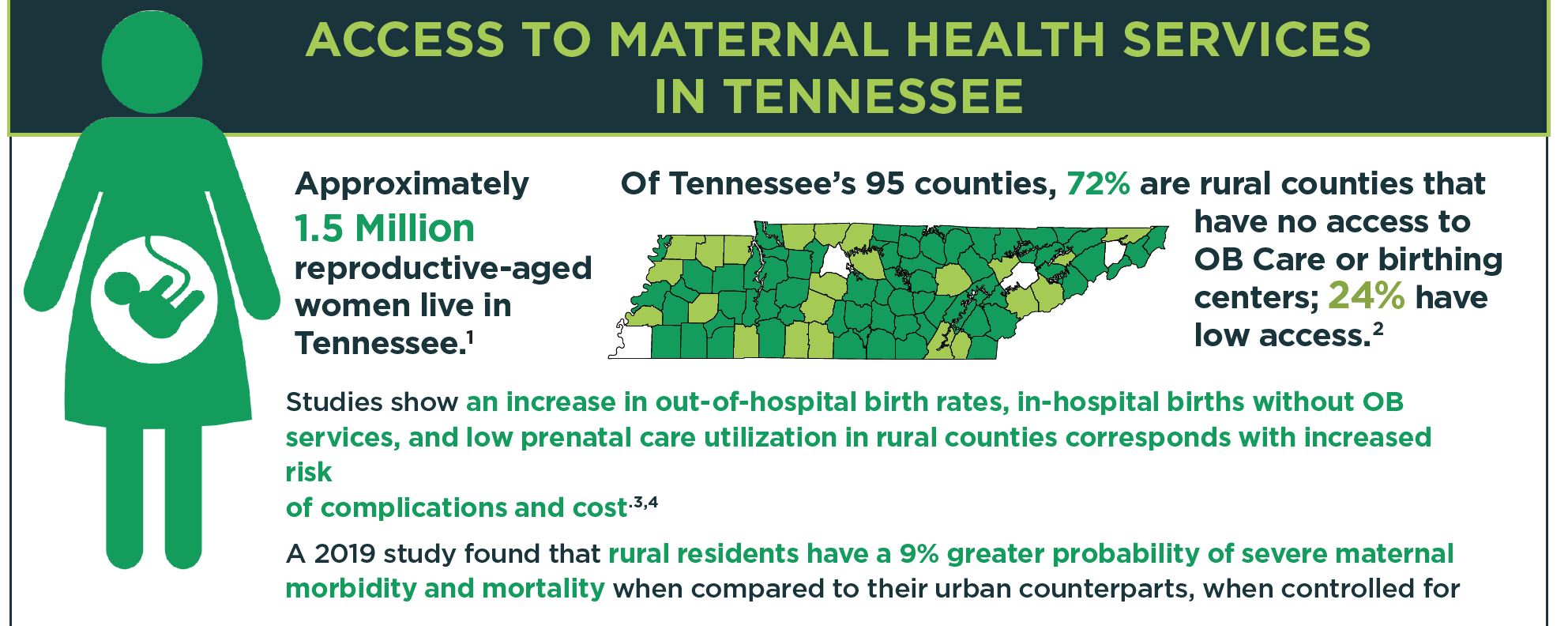 policies that prevent teenage pregnancy, provides case management services to pregnant women, and advances professional knowledge of providers.
 Wednesday, March 9th.
 staffs on Wednesday, February 9th.
 Tennessee Public Behavioral Health Workforce Workgroup in June 2021. Serving as convenors and facilitators of this workgroup, the agencies gathered a diverse group of stakeholders and professionals, each of whom was uniquely positioned to provide insight to this critical issue. This report represents the work of the Public Behavioral Health Workforce Workgroup and proposes short-term and long-term strategies that directly address recruitment and retention opportunities that can be implemented by local behavioral health providers, colleges and universities, and various Tennessee State Government Departments.